Chandipura Virus in Gujarat: Symptoms, Causes, Treatment, Prevention & Latest Updates 2026
Welcome To Medico Pediaa :- The recent Chandipura Virus outbreak in Gujarat has raised concerns among parents, healthcare professionals, and public health authorities across India. Reports of children being hospitalized with symptoms of Acute Encephalitis Syndrome (AES) have brought renewed attention to this rare but potentially life-threatening virus.
Although Chandipura Virus (CHPV) is not a newly discovered virus, recent cases reported from Gujarat have once again highlighted the importance of early diagnosis, proper medical care, and preventive measures.
In this comprehensive guide, you’ll learn what Chandipura Virus is, how it spreads, its symptoms, treatment options, prevention strategies, and the latest information related to the Gujarat outbreak.
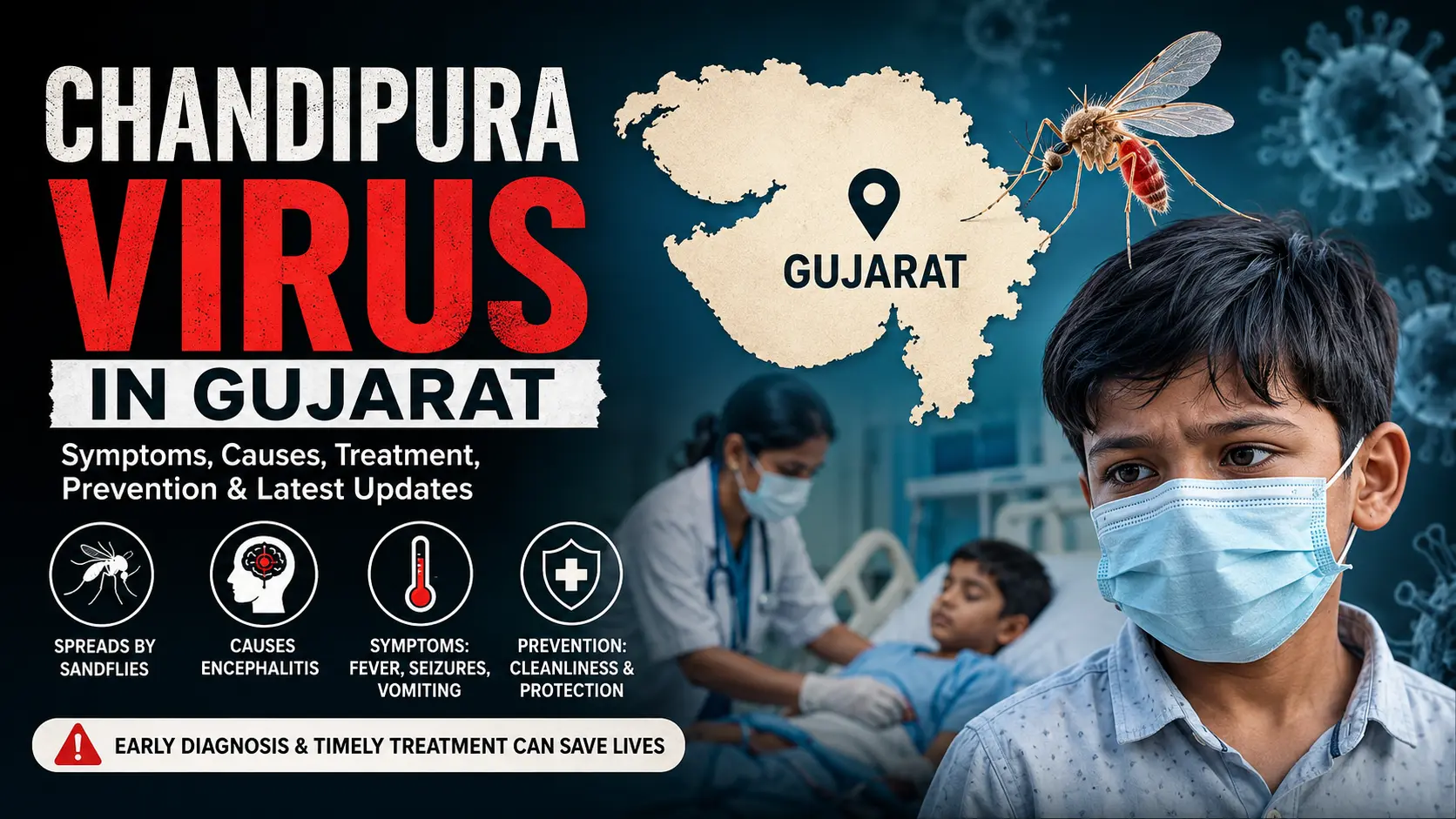
What Is Chandipura Virus?
Chandipura Virus (CHPV) is a member of the Rhabdoviridae family and belongs to the Vesiculovirus genus. It is an RNA virus first identified in 1965 in the village of Chandipura, Maharashtra, India, from where it gets its name.
Although the virus has been known for decades, it has periodically caused outbreaks in different Indian states, particularly affecting children.
The virus has been associated with Acute Encephalitis Syndrome (AES), a condition involving inflammation of the brain that can rapidly become a medical emergency.
Gujarat Chandipura Virus Outbreak
The recent Gujarat Chandipura Virus outbreak has drawn nationwide attention after multiple suspected and confirmed cases were reported among children in affected districts. Health authorities initiated surveillance, vector control measures, and public awareness campaigns to reduce the spread and encourage early medical consultation.
The outbreak also prompted neighboring states to increase monitoring for Acute Encephalitis Syndrome (AES) cases and strengthen mosquito and sandfly control programs.
As investigations continue, health departments regularly update the public based on laboratory confirmation and epidemiological findings. Readers should rely on official updates from government health agencies for the latest case numbers.
How Does Chandipura Virus Spread?
Unlike common viral infections, Chandipura Virus is believed to spread primarily through the bite of infected sandflies.
Researchers have also studied whether mosquitoes and ticks may play a role, but sandflies remain the most strongly associated vector.
Transmission is more likely in areas where:
- Poor sanitation exists.
- Insect populations are high.
- Rural environments favor sandfly breeding.
- Vector control measures are inadequate.
At present, there is no strong evidence that Chandipura Virus spreads easily from person to person.
Who Is Most at Risk?
The virus mainly affects:
- Children below 15 years of age
- Infants and young children
- Rural communities
- Tribal regions
- Areas with high sandfly activity
Adults can become infected, but severe disease has been reported more frequently in children.
Chandipura Virus Symptoms
Symptoms often begin suddenly and may worsen quickly.
Common symptoms include:
- High fever
- Severe headache
- Vomiting
- Weakness
- Irritability
- Drowsiness
- Confusion
- Seizures (fits)
- Loss of consciousness
Some patients may rapidly develop neurological symptoms, making immediate hospitalization essential.
Early Warning Signs Parents Should Never Ignore
Parents should seek emergency medical care if a child develops:
- Persistent high fever
- Repeated vomiting
- Convulsions
- Extreme sleepiness
- Difficulty waking up
- Sudden unconsciousness
- Unusual behavior
- Difficulty speaking
- Stiffness of the body
Early treatment can improve supportive care and reduce complications.
Incubation Period
The exact incubation period may vary from person to person. Symptoms generally appear within a few days after infection.
Because the disease may progress rapidly, waiting for symptoms to improve at home can be dangerous.
Diagnosis of Chandipura Virus
Doctors evaluate:
- Clinical symptoms
- Neurological examination
- Patient history
- Laboratory investigations
Diagnostic tests may include:
- RT-PCR
- Viral RNA detection
- Blood tests
- Cerebrospinal fluid (CSF) examination
- Serology, where appropriate
Laboratory confirmation helps distinguish Chandipura Virus from other causes of Acute Encephalitis Syndrome.
Treatment Chandipura Virus infection
Currently, there is no specific antiviral medicine approved for Chandipura Virus infection.
Treatment focuses on supportive medical care.
Hospital management may include:
- Intravenous (IV) fluids
- Fever control
- Oxygen support when required
- Seizure management
- Intensive care monitoring
- Management of brain swelling if present
Early hospitalization remains one of the most important factors in patient care.
Can Chandipura Virus Be Prevented?
Yes. Prevention focuses on reducing exposure to insect vectors.
Recommended preventive measures include:
- Wear full-sleeved clothing.
- Use insect repellents approved for your age group.
- Sleep under insecticide-treated mosquito nets where appropriate.
- Keep surroundings clean.
- Eliminate stagnant water where possible.
- Support local vector-control initiatives.
Parents should ensure children avoid excessive exposure to insect bites, especially during peak insect activity.
Is There a Vaccine of Chandipura Virus infection?
At present, there is no approved vaccine for general public use against Chandipura Virus.
Public health efforts therefore emphasize:
- Early detection
- Prompt medical care
- Vector control
- Community awareness
Chandipura Virus vs Acute Encephalitis Syndrome (AES)
Many people confuse Chandipura Virus with Acute Encephalitis Syndrome.
It is important to understand that:
- Acute Encephalitis Syndrome (AES) is a clinical condition characterized by inflammation of the brain.
- Chandipura Virus is one of several viruses that may be associated with AES in some patients.
Other infections and medical conditions can also cause AES, so laboratory testing is necessary for confirmation.
Why Early Medical Attention Matters
One of the most concerning features of Chandipura Virus is how quickly neurological symptoms may develop in some patients.
Delaying medical treatment after the onset of seizures, unconsciousness, or altered mental status can increase the risk of serious complications.
If warning signs appear, immediate evaluation at a hospital is strongly recommended.
Latest Updates on the Gujarat Outbreak
Health authorities in Gujarat have strengthened disease surveillance, laboratory testing, and vector-control activities in response to the reported cases. Public health teams continue to monitor affected areas, educate communities about preventing insect bites, and encourage families to seek prompt medical care if children develop symptoms consistent with Acute Encephalitis Syndrome.
Because outbreak information can change as investigations progress, readers should check official updates from the Ministry of Health & Family Welfare (MoHFW), National Centre for Disease Control (NCDC), Indian Council of Medical Research (ICMR), and their respective state health departments for the latest confirmed information.
For More Details – https://en.wikipedia.org/wiki/Chandipura_virus
Final Thoughts
The recent Chandipura Virus cases in Gujarat have highlighted the importance of public awareness, early diagnosis, and effective vector control. Although the virus is rare, it can lead to serious neurological illness in some patients, particularly children.
Maintaining clean surroundings, preventing insect bites, recognizing warning symptoms early, and seeking prompt medical care remain the best strategies to reduce the risk of severe outcomes.
Frequently Asked Questions
Is Chandipura Virus contagious?
Current evidence does not indicate that it spreads easily from one person to another. It is primarily considered a vector-borne infection.
Can adults get Chandipura Virus?
Yes, but reported severe cases have been more common among children.
Is Chandipura Virus curable?
There is no specific antiviral cure. However, supportive hospital treatment is the standard approach.
What causes Chandipura Virus?
The infection is caused by the Chandipura Virus, which is mainly transmitted through infected sandflies.
Which Indian states have reported Chandipura Virus?
Over the years, cases have been reported from states including Gujarat, Maharashtra, Andhra Pradesh, and other regions during surveillance and outbreak investigations.
Medical Disclaimer
This article is intended for educational and informational purposes only. It should not be considered a substitute for professional medical advice, diagnosis, or treatment. If you or your child develops symptoms such as high fever, repeated vomiting, seizures, confusion, or loss of consciousness, seek immediate medical attention from a qualified healthcare provider or visit the nearest hospital.
Share this article For More Information.
If you have any questions, please contact us.
Chandipura Virus in Gujarat: Symptoms, Causes, Treatment, Prevention & Latest Updates (2026)
Thanks For Reading this Article.
Cyclospora Outbreak Explained: The Diarrhea-Causing Parasite Linked to Raw Produce in the USA : https://medicopediaa.com/cyclospora-outbreak-explained-the-diarrhea-causing-parasite-linked-to-raw-produce-in-the-usa/
For Any Query : DM me on Insta : – @medico_pediaa